Give Thanks to the Lord for He is Good Review
As a designer who has spent years navigating the delicate balance between digital graphics and physical thread, I approach every new machine embroidery design with a critical eye. The phrase "Give Thanks to the Lord for He is Good" carries a weight of tradition and sentiment that demands respect in execution. When I first opened the ZIP file containing this Graphics asset, my immediate goal was not just to see if it stitched, but to determine if it would elevate a finished product or simply clutter a fabric surface. This review breaks down how this specific design translates from a screen into a tangible, high-quality handmade item.
First Impressions: Mood and Visual Weight
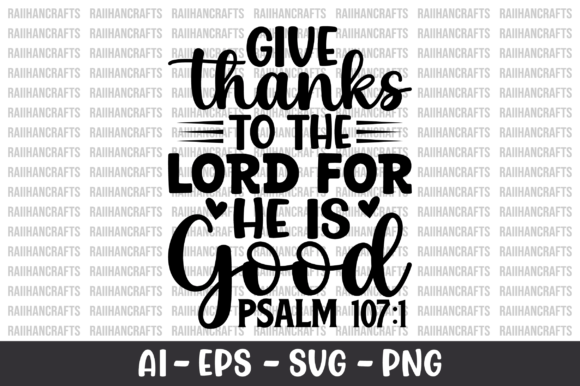
The initial visual impact of Give Thanks to the Lord for He is Good is one of grounded gratitude. Unlike many trendy designs that rely on excessive flourishes, this piece leans towards a classic, readable aesthetic. In the realm of Crafts, readability is often the difference between a best-seller and a return. The layout appears balanced, suggesting that when converted into a stitch file, the text will maintain its integrity without becoming muddy. The mood is warm and inviting, making it an excellent candidate for seasonal collections or year-round spiritual apparel.
However, as any experienced embroiderer knows, what looks clean on a monitor can behave differently under tension. The shape of the lettering suggests a need for careful attention to stitch density. If the design relies heavily on fill stitch, the risk of puckering increases, especially on lighter fabrics. Conversely, if it utilizes a mix of satin and running stitches, it could offer a beautiful texture that catches the light, adding depth to the final piece.
Real-World Application: From File to Fabric
Let’s talk about a real scenario. Imagine you are preparing a custom embroidered tote bag for a church fundraiser or a boutique shop owner looking for holiday merchandise. You load the embroidery file onto your machine, hoop a sturdy cotton canvas, and hit start. How does Give Thanks to the Lord for He is Good perform?
In this context, the design shines. Tote bags provide a flat, stable surface that accommodates the likely width of the text. The message is clear enough to be read from a distance, which is crucial for promotional items or gifts meant to be seen in public. The design fits naturally into the category of custom apparel where the message is the hero. Whether you are creating a sweatshirt embroidery project for a youth group or a personalized gift for a friend supporting a special day, the sentiment resonates.
Consider also the application on home goods. A kitchen towel or a pillow cover featuring this phrase adds a touch of faith-based decor that feels personal rather than mass-produced. For an Etsy seller, this versatility is gold. You can market the same digital asset across multiple product lines—from baby embroidery on onesies to holiday embroidery on throw blankets. The key is ensuring the scale matches the product. On a small baby hat, the text might become too dense, whereas on a large apron, it commands attention perfectly.
Navigating Technical Challenges
While the design is versatile, it is not without its pitfalls. As a reviewer, I must highlight where caution is required. If you plan to use Give Thanks to the Lord for He is Good on stretchy fabrics like jersey knit, the stability of the text is paramount. Without the correct stabilizer, the letters may distort after washing. Always test the design on scrap fabric first. Check the thread color contrast against dark backgrounds; a white fill on black denim looks crisp, but a thin outline might get lost.
Another area of concern is the hoop size. Before committing to a production run, verify that the design fits within your standard hoops. If the phrase is split across two lines, ensure the spacing allows for easy re-hooping without misalignment. Misaligned text ruins the professional look of a finished product instantly. Additionally, pay close attention to tiny details. If the design includes small decorative elements around the text, they may require a higher DPI setting or a finer needle to prevent thread breakage.
Curved surfaces present another challenge. Embroidering this phrase on a cap requires a specialized cap hoop and potentially a different digitization approach to account for the curvature. The straight line of text might bow unnaturally if not adjusted. Similarly, on layered garments like hoodies, the thickness of the material can cause the needle to skip or the thread to pucker. In these cases, a tear-away stabilizer might be preferable to a cut-away one to reduce bulk.
Maximizing Value and Professionalism
The true value of Give Thanks to the Lord for He is Good lies in its ability to build trust with your customers. A well-executed handmade product signals quality and care. When a customer receives a tote bag or a shirt with this message, they are not just buying fabric; they are buying a sentiment. If the stitching is loose, the colors bleed, or the letters are uneven, that trust is broken. Therefore, treating this digital embroidery file with professional rigor is essential.
For the small business owner, consistency is key. Use printable mockups to visualize how the design looks on various products before purchasing materials. Compare light and dark fabric backgrounds to ensure the thread colors pop. This preparation step saves money and time in the long run. Furthermore, consider the licensing terms. While the description mentions the files are compressed in a ZIP file for extraction, always confirm whether you have the right to sell finished items or if the license restricts commercial use. Selling commercial embroidery projects without proper rights can lead to legal issues that jeopardize your entire craft business.
Practical Designer Notes for Success
- Test Stitch First: Never skip the test run on a scrap of the actual fabric you intend to use. Check for puckering and alignment.
- Stabilizer Selection: Match the stabilizer to the fabric weight. Heavyweight items need heavy stabilizers; lightweight items need lightweight support.
- Color Contrast: Ensure the thread stands out against the background. Avoid low-contrast combinations unless intended for a subtle effect.
- Hooping Strategy: Plan your hooping carefully, especially for multi-part designs or curved surfaces like caps.
- Licensing Check: Verify the commercial rights for selling finished goods or digital files before listing on platforms like Etsy.
- Detail Inspection: Zoom in on the digital preview to check for overly dense areas that might cause thread jams.
In conclusion, Give Thanks to the Lord for He is Good is a robust asset for designers looking to add meaningful content to their portfolio. It bridges the gap between simple text and artistic expression, suitable for everything from personalized gifts to small shop products. By approaching it with technical precision and creative foresight, you can transform this design asset into a standout piece that resonates with buyers and enhances your brand reputation. Remember, the difference between a good design and a great one often lies in the execution.