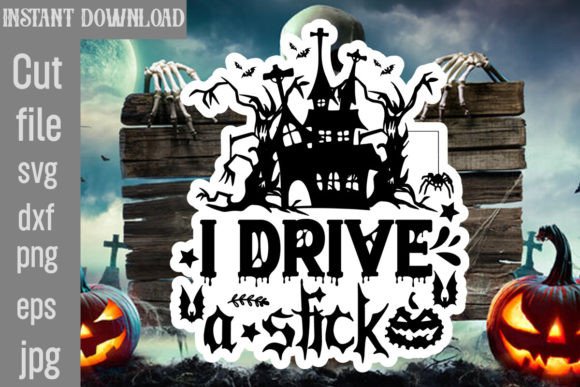
I Drive a Stick SVG Cut File Review
As a designer who has spent years translating digital vectors into tangible stitched goods, I approach every new asset with a critical eye. The market is flooded with generic graphics, but finding a design that translates well from screen to fabric requires more than just a pretty thumbnail. Recently, I evaluated the I Drive a Stick SVG Cut File, a graphic intended for the Crafts and Graphics niche, specifically targeting automotive enthusiasts and gearheads. Before committing this design to a client order or a small shop inventory, I needed to understand how it would perform in real-world embroidery scenarios.
First Impressions: Mood and Visual Personality
The moment you open the preview of the I Drive a Stick SVG Cut File, the intent is clear. It carries a confident, slightly rebellious tone that resonates with manual transmission drivers. Visually, the typography is bold and assertive, avoiding overly delicate serifs that might get lost in a dense stitch field. For an embroidery project, this is a strong starting point. The layout suggests a horizontal orientation, which immediately influences my decision on where to place it. Unlike vertical text blocks that can be tricky on curved surfaces like caps, this design naturally fits the chest area of a sweatshirt or the center of a tote bag.
However, as a reviewer, I look beyond the aesthetic appeal to the structural integrity of the lines. In machine embroidery, thin lines often require running stitches or narrow satin stitches, while thicker areas need fill stitches. The balance in this design appears manageable, but the true test lies in the conversion process. Since this product is a digital download containing SVG, DXF, EPS, and PNG files, it is primarily marketed for cutting machines like Cricut and Silhouette. This raises a crucial question for us embroiderers: does the vector quality hold up when converted into a stitch file? My experience tells me that clean, closed paths in the SVG are essential for generating a stable machine embroidery design.
Real-World Application: From Digital to Stitched
To truly judge the utility of the I Drive a Stick SVG Cut File, I imagined a specific scenario: creating a limited-run batch of custom embroidered patches for a local car meet. Patches are a staple for craft businesses because they offer versatility; they can be sewn onto denim jackets, hats, or bags. If I were to use this design for an embroidered patch, the bold lettering would likely benefit from a combination of satin stitching for the outlines and a tight fill stitch for the interior of the letters.
Let's consider a different application: a personalized gift for a mechanic friend. A heavy cotton canvas tote bag or a thick fleece sweatshirt would be ideal substrates. On a sweatshirt embroidery project, the texture of the fabric adds depth to the thread, making the design pop. The phrase "I Drive a Stick" has a natural rhythm that works well in a horizontal arc or straight line across the chest. However, if I were attempting this on a baby embroidery item, I would hesitate. The theme is too specific and potentially too mature for nursery decor, and the density of the text might be overwhelming on delicate fabrics like muslin or jersey knit.
For the Etsy seller or boutique owner, this design represents a solid opportunity for custom apparel. It targets a passionate demographic that values mechanical precision and individuality. When placed on a dark-colored garment, the contrast becomes key. Using metallic gold or bright white thread could elevate the perceived value of the finished product. Conversely, on light fabrics, a deep navy or charcoal thread would provide a sophisticated, understated look. The visual appeal directly impacts customer trust; a sloppy stitch job on such a bold statement would reflect poorly on the brand, whereas a crisp, professional finish enhances buyer engagement.
Navigating Fabric and Hoop Challenges
Every design has its limitations, and the I Drive a Stick SVG Cut File is no exception. One area requiring careful attention is the hoop size. Depending on the font weight and spacing, this design may exceed the capacity of a standard 4x4 inch hoop. If you are working with smaller hoops, you may need to resize the design, which risks distorting the proportions of the letters. Always check the dimensions before purchasing stabilizer or setting up your machine.
Fabric choice is equally critical. On textured fabrics like corduroy or heavy denim, the needle must penetrate deeply, which can sometimes cause slight puckering if the stitch density is too high. I would recommend testing the design on scrap fabric first to ensure the fill stitches do not overwhelm the material. Similarly, stretchy fabrics like spandex blends require a cut-away stabilizer to prevent the threads from snapping during wear. Placing this design on a curved surface, such as the front panel of a baseball cap, demands precise digitizing. If the original vector is not optimized for curves, the text may appear jagged after stitching.
Another consideration is the frequency of washing. Products like kitchen towels or aprons undergo rigorous laundering. If the thread colors are not colorfast or if the stitching is too loose, the design may degrade quickly. For items that need frequent washing, a tighter running stitch border around the text can help lock the fill stitches in place, ensuring longevity.
Practical Designer Notes for Success
If you decide to incorporate the I Drive a Stick SVG Cut File into your workflow, here are some practical steps to ensure a successful outcome:
- Test on Scrap Fabric: Never skip the test run. Print a mockup of the design on paper first to visualize the scale, then stitch it on a fabric swatch similar to your final product.
- Check Thread Contrast: Compare the design against both light and dark backgrounds. High contrast ensures readability and professionalism.
- Review Stitch Density: If converting the SVG to an embroidery file yourself, pay close attention to the density settings. Too much thread can make the fabric stiff, while too little can leave gaps.
- Confirm Licensing: As a digital product seller, always verify the license terms. Does the purchase allow you to sell the finished handmade product? Can you resell the digital file? Understanding these boundaries protects your business.
- Use Proper Stabilizer: Whether using tear-away or cut-away stabilizer, ensure it matches the fabric type to support the weight of the thread.
- Create Printable Mockups: Use the included PNG file to create realistic printable mockups for your online store. Customers need to see exactly how the design looks on a finished product before purchasing.
Final Verdict on Commercial Viability
In conclusion, the I Drive a Stick SVG Cut File offers a distinct personality that appeals to a specific audience. While it is packaged as a cut file for vinyl projects, its clean vector structure makes it a viable candidate for commercial embroidery with proper preparation. It excels on sturdy fabrics like canvas and fleece, making it perfect for tote bags, sweatshirts, and patches. However, it requires careful handling regarding hoop size and fabric texture to maintain its sharp appearance.
For the creative entrepreneur looking to expand their catalog with automotive-themed items, this design provides a solid foundation. By paying attention to the details of digitizing, stabilizer choice, and placement, you can transform this digital asset into a high-quality, professional-looking finished product that customers will be proud to wear. Whether you are a hobbyist creating a unique holiday gift or a small shop owner stocking your inventory, understanding the practical nuances of this design is the key to turning a simple graphic into a standout piece of wearable art.