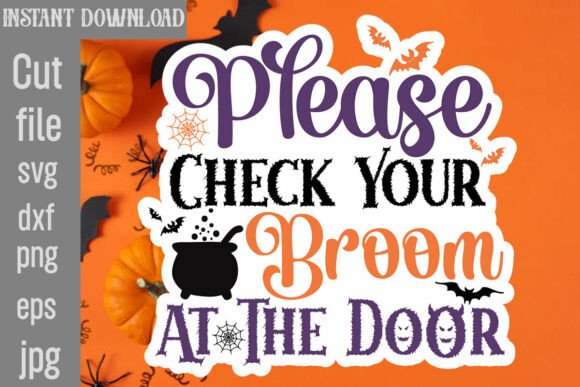
Please Check Your Broom at the Door SVG Review
As a designer who has spent years turning digital assets into tangible, stitched goods, I approach every new file with a mix of excitement and skepticism. The market is flooded with generic Crafts and Graphics, but finding a design that translates well from a screen to fabric requires a keen eye for detail. Today, I am putting Please Check Your Broom at the Door SVG through its paces to see if it holds up under the scrutiny of real-world embroidery projects. This isn't just about whether the lines look good on a monitor; it is about how the threads will behave when this design hits your hoop.
The First Impression: Mood and Visual Personality
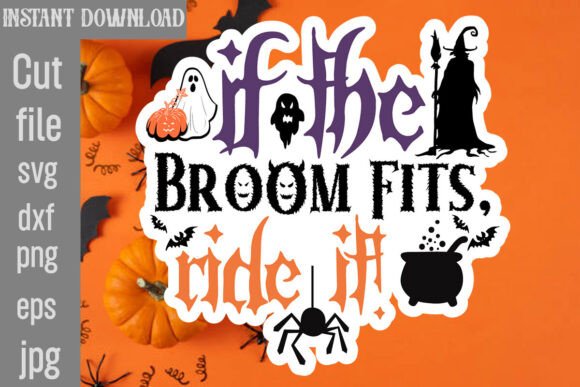
When I first opened the files included in the download, the immediate vibe was playful yet slightly mysterious. The phrase "Please Check Your Broom at the Door" leans heavily into Halloween or witchy aesthetic themes, making it a perfect candidate for seasonal merchandise. Visually, the layout feels balanced, avoiding the common pitfall of designs that are too top-heavy or awkwardly spaced. For an embroidery project, balance is crucial because uneven weight distribution can cause puckering or shifting during stitching.
The line work appears clean, which is promising. In my experience, messy vector lines often lead to jagged satin stitches or gaps in fill areas. However, before committing to a final product, I always zoom in to inspect the corners and curves. If the vectors have sharp, acute angles, they might need manual adjustment in my digitizing software to prevent thread bunching. The overall personality of Please Check Your Broom at the Door SVG suggests it belongs on cozy, home-centric items rather than high-fashion apparel. It screams "boutique shop item" or "personalized gift" rather than corporate branding.
Real-Life Application: From File to Finished Product
To truly test this design, I imagined a specific scenario: creating a custom embroidered tote bag for a local craft fair. Tote bags are a staple for any small business owner, especially those selling handmade products. The canvas texture of a standard tote provides a sturdy base, but it does absorb some stitch definition. With Please Check Your Broom at the Door SVG, the text needs to be legible from a distance while the graphic element adds character.
I also considered using this as a sweatshirt embroidery piece. Fleece and heavy cotton blends are forgiving, but they require careful stabilizer selection. If the design includes dense fill stitch areas, the fabric might pucker without a cutaway stabilizer. Conversely, if the design relies mostly on running stitch or outline effects, it would sit beautifully on a hoodie, adding a touch of whimsy without weighing down the garment. For holiday embroidery, timing is everything. A design like this could be sold as a limited-run patch for October, then repurposed for year-round "witchy" decor shops.
Another strong use case is embroidered patch production. Patches allow for higher density and more intricate details because the backing is rigid. If you plan to sell these as standalone accessories, the clarity of the machine embroidery design becomes paramount. Customers expect crisp edges on patches. If the lettering in the phrase is too thin, it might break during the weeding process or look weak after stitching. Always check the minimum line width before committing to a large batch.
Navigating Challenges: Where Caution is Required
While the potential is there, not every application works seamlessly. One area where I would exercise caution with Please Check Your Broom at the Door SVG is on stretchy fabrics like jersey knit. Without extensive stabilization, the tension from the needle can distort the shape of the broom or warp the text. Similarly, very thin fabrics like chiffon or light linen might show the backside of the stitching, ruining the professional look of the finished product.
Dark fabrics present another challenge. If you are embroidering this on black denim or navy blue fleece, the default thread colors might not offer enough contrast. You would likely need to add a layer of white underlay or switch to bright, contrasting thread colors like orange, purple, or neon green to make the design pop. Additionally, curved surfaces like caps require special attention. The text in this design is relatively long; fitting it across a cap panel without distorting the letters or hitting the seam can be tricky. You may need to resize the design significantly, which risks losing the detail in the broom graphic.
Dense stitch areas are another consideration. If the design features a solid fill for the broom bristles, ensure your machine's stitch density settings are optimized. Too much thread in one spot creates a hard, plastic-like feel that customers dislike. Too little, and the fabric shows through. Testing on scrap fabric is non-negotiable here. I never skip the test run, even with designs that look perfect on the computer.
Practical Designer Notes for Success
If you decide to integrate Please Check Your Broom at the Door SVG into your workflow, here are my practical recommendations to ensure a high-quality result:
- Test on Scrap Fabric First: Never stitch directly onto your final material. Use a swatch of the same fabric to check for puckering, thread breaks, and alignment issues.
- Check Thread Color Contrast: Ensure the design stands out against the background. Lighter fabrics work best with dark threads, and vice versa.
- Review Stitch Density: Adjust the fill settings in your digitizing software if the design feels too heavy or too sparse.
- Confirm Hoop Size: Verify that the design fits comfortably within your hoop, leaving enough room for the clamp without crushing the fabric.
- Inspect Small Details: Zoom in on the file to ensure no tiny elements will get lost in the stitching process.
- Use Proper Stabilizer: Match the stabilizer type (tear-away, cut-away, wash-away) to the fabric weight and design density.
- Verify Licensing: Since this is a digital download only containing SVG, DXF, EPS, and PNG files, double-check the license terms. Are you allowed to sell the finished handmade product? Can you resell the digital file? Understanding the commercial rights is vital for any Etsy seller or small shop product creator.
Final Verdict: Value and Versatility
Ultimately, Please Check Your Broom at the Door SVG offers a fun, thematic option for designers looking to expand their seasonal catalog. Its visual appeal is strong, and with the right execution, it can elevate a simple tote bag or sweatshirt into a desirable personalized gift. The inclusion of multiple file formats—SVG for Cricut, DXF for Silhouette, EPS for vector editing, and a high-resolution PNG for mockups—adds significant value. These design assets allow you to create printable mockups for your shop listings, giving customers a clear idea of what the final product will look like.
For the craft business owner, this design represents an opportunity to tap into the niche market of spooky, humorous, and home-decor enthusiasts. However, success depends on your ability to adapt the file to your specific materials and equipment. By taking the time to test, stabilize, and refine the stitch parameters, you can turn this digital file into a professional-grade commercial embroidery asset. Whether you are making a single baby embroidery item for a friend or producing a full collection for your boutique, the key lies in the details. Treat the design with respect, prepare your workspace, and let the threads do the talking.