The Rodfather SVG Design: A Designer's Review
As someone who has spent years navigating the intersection of digital graphics and physical stitching, I approach every new machine embroidery design with a critical eye. It is not enough for a file to look good on a screen; it must translate seamlessly into thread on fabric. Today, I am putting The Rodfather SVG Design through its paces. This piece falls squarely into the Crafts category as a versatile Graphics asset, but its true value lies in how it performs when moved from a digital preview to a real-world embroidery project.
First Impressions: Visual Weight and Theme
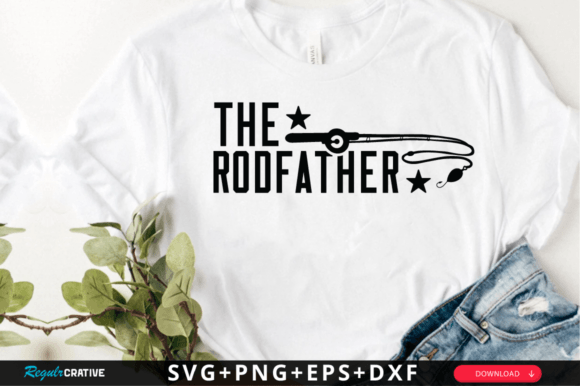
When I first opened The Rodfather SVG Design, the visual personality was immediately apparent. The theme suggests a bold, perhaps slightly humorous or edgy aesthetic, playing on a well-known cultural trope. For an Etsy seller or a boutique owner looking to add character to their inventory, this kind of recognizable motif can be a strong hook. However, in the world of custom apparel, clarity is king. The design relies on strong outlines and distinct shapes, which is promising for embroidery. If the lines are too thin, they risk disappearing under a standard running stitch. If they are too thick, they might create unnecessary bulk on a soft garment.
The layout feels balanced, suggesting it would work well centered on a chest pocket or across the back of a hoodie. The mood is confident and playful, making it an excellent candidate for a personalized gift for friends or family members who appreciate pop culture references. Yet, before committing to a sale, I need to know if the stitch density holds up under scrutiny.
Real-World Application: From File to Fabric
Let’s imagine a specific scenario: You are preparing a batch of sweatshirt embroidery for a holiday market. You want to offer something unique that stands out among generic prints. The Rodfather SVG Design offers a great opportunity here. Because sweatshirts have a heavier fabric texture, they can hide minor imperfections better than a fine cotton tee. The design’s bold nature means it could likely be executed with a mix of fill stitch for the main body and satin stitch for the defining edges.
I envision this design working exceptionally well on a dark charcoal or navy sweatshirt. Using contrasting thread colors, such as bright white or gold, would make the graphic pop. The key to success here is the hoop size. Since the design appears to be a cohesive unit, it likely fits within a standard 5x7 inch hoop, which is the industry workhorse. If you are planning to use this for a tote bag design, the canvas-like material of the bag provides a stable surface, ensuring the stitches lie flat without puckering.
For those running a craft business, the versatility of this digital embroidery file is a major asset. It could easily be adapted for an embroidered patch, which can then be sold as a standalone item or applied to denim jackets and caps. The ability to pivot between direct garment application and patch creation increases the return on investment for purchasing this design assets.
Navigating Challenges: Where Caution is Needed
While The Rodfather SVG Design looks promising, experienced designers know that no file is perfect for every situation. There are specific contexts where this design requires careful handling:
- Small Hoop Sizes: If you attempt to downscale this design for a baby onesie or a small cap, the details may become muddy. Always check the minimum recommended size before resizing.
- Stretchy Fabrics: On highly elastic materials like jersey knit, dense areas of fill stitch can cause the fabric to warp. Using a tear-away stabilizer is crucial here to maintain the shape of the finished product.
- Detailed Corners: Sharp angles in the graphic can sometimes result in "jumping" threads or uneven coverage. Inspect the corners closely during your test run.
- Thin Fabric: Avoid using this on very light or sheer fabrics unless you use a cutaway stabilizer, as the weight of the thread could distort the material.
Impact on Product Value and Customer Trust
In the competitive landscape of handmade goods, the quality of your finished product dictates your reputation. When a customer receives a handmade product featuring The Rodfather SVG Design, they expect crisp lines and vibrant colors. If the stitch density is too high, the design will feel stiff and uncomfortable against the skin. If it is too low, the backing fabric will show through, cheapening the look.
A well-executed version of this design enhances brand consistency for small shop owners. It signals that you care about detail and quality. Conversely, a poorly stitched version can damage customer trust. To ensure professionalism, always create a printable mockup or a physical sample before listing items for sale. Test the design in black and white first to see if the contrast works, then move to color. Compare how it looks on light versus dark backgrounds to determine the best thread colors for your inventory.
Practical Notes for the Professional Maker
If you decide to integrate The Rodfather SVG Design into your workflow, follow these practical steps to ensure success:
- Test on Scrap Fabric: Never skip this step. Stitch the design on a scrap piece of the actual fabric you plan to use. Check for puckering, registration issues, and thread breaks.
- Review Stabilizer Choice: Match your stabilizer to the fabric weight. Heavyweight fabrics need heavy support; lightweight fabrics need flexible support.
- Inspect Small Details: Zoom in on your digitized file. Are there tiny letters or intricate curves? These often require manual adjustment in your embroidery software to prevent thread bunching.
- Verify Licensing: Before selling any commercial embroidery items or offering this as a digital product, confirm the licensing terms. Ensure you have the right to sell finished goods containing this design.
- Check Color Contrast: Ensure the thread colors chosen provide enough contrast against the fabric so the design remains legible after washing.
Ultimately, The Rodfather SVG Design is a solid addition to a designer’s library, provided it is used thoughtfully. It offers a fun, recognizable aesthetic that can elevate holiday gifts, baby embroidery (if sized correctly), and general custom apparel. By treating it as a tool rather than a magic solution, and by respecting the nuances of machine embroidery, you can create high-quality items that customers will love and wear with pride. Whether you are an Etsy seller launching a new collection or a hobbyist creating a special keepsake, this design has the potential to deliver a memorable finished product when handled with professional care.