When in SVG Design: A Real-World Review
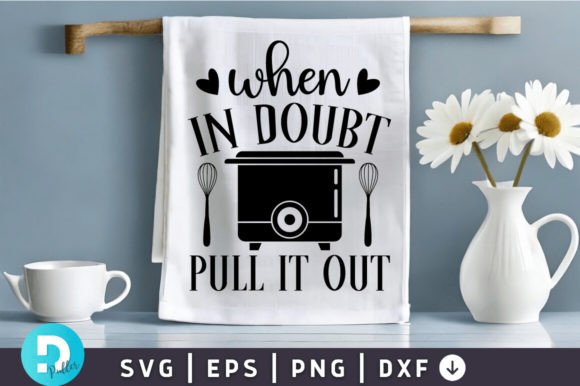
As a designer who has spent years translating digital graphics into tangible stitched goods, I approach every new machine embroidery design with a mix of excitement and skepticism. The gap between a crisp vector file and a finished product on textured fabric is where the real work happens. Today, I am evaluating When in SVG Design, a graphic that promises humor and utility for crafters. This isn't just about downloading a file; it is about understanding how this specific embroidery project will perform when you actually put it under a needle.
First Impressions: Mood and Visual Personality
At first glance, When in SVG Design presents itself as a playful, text-heavy graphic intended to bring a smile to everyday chores. The layout suggests a bold statement piece rather than a delicate decorative accent. In the realm of Crafts and Graphics, designs like this thrive on readability and character. The visual personality feels casual and slightly self-deprecating, which aligns perfectly with the current trend of humorous home goods.
However, my immediate concern as a professional is the complexity of the lettering. When converting this from an SVG to an actual embroidery file, the spacing between characters becomes critical. If the kerning is too tight, the stitch density could cause puckering on softer fabrics. Conversely, if the letters are too thin, they might disappear against a busy background. The design feels most at home on items where the message is the hero, such as a kitchen towel or a relaxed-fit t-shirt.
Real-Life Application: The Custom Tote Bag Scenario
To truly test the viability of When in SVG Design, let's imagine a specific scenario: You are preparing a batch of custom embroidered tote bags for an upcoming craft fair. These bags are made of sturdy cotton canvas, a popular choice for small shop products. You load the design into your machine, aiming for a centered placement on the front panel.
In this context, the design shines. The bold nature of the text translates well into a fill stitch pattern, ensuring the message pops against the natural beige of the canvas. Customers browsing your booth would immediately recognize the humor, making it an impulse buy. Unlike intricate floral motifs that require perfect tension, this type of digital embroidery file is forgiving. It works beautifully as a tote bag design because the flat surface allows the needle to hit consistently, and the sturdy fabric supports the weight of the thread without sagging.
If you were to adapt this for a sweatshirt embroidery project, the outcome would be equally promising. The thick fleece or cotton blend of a sweatshirt provides a stable base. However, you must consider the curvature of the chest area. On a custom apparel item like this, you might need to adjust the hoop size to ensure the design doesn't stretch during stitching. The result would be a high-quality, personalized gift that feels premium despite its humorous subject matter.
Navigating Challenges: Where Caution is Required
While When in SVG Design is versatile, it is not without its pitfalls. As an experienced decorator, I know that certain applications require extra vigilance. For instance, attempting this design on thin or stretchy fabric, such as jersey knit or silk, is risky. The stitch density required to make the text legible could overwhelm the fabric, leading to visible distortion or holes.
Similarly, using this design on dark fabrics requires careful planning. If the original graphic relies on white thread against a black background, you must ensure your thread colors have enough contrast. Darker threads might get lost, reducing the impact of the joke. Additionally, curved surfaces like caps present a unique challenge. The text in When in SVG Design may wrap awkwardly around the curve of a baseball cap unless you manually adjust the arc in your digitizing software before stitching.
Another area of caution involves tiny details. If the design includes small icons or fine lines alongside the main text, these can easily become muddy on lower-quality machines or with cheaper thread. Always inspect small details in a printable mockup before committing to expensive materials. If the text is too small for a baby embroidery project, it might irritate sensitive skin or simply look cluttered. In these cases, scaling up the design or simplifying the elements is essential for a clean finished product.
Enhancing Value and Professionalism
The true value of When in SVG Design lies in its ability to elevate a basic item into a branded, marketable good. For an Etsy seller or a boutique owner, offering a personalized gift with a witty design increases customer engagement. It shows personality and builds a connection with buyers who appreciate humor.
When executed correctly, this design boosts the perceived value of your handmade product. A plain dish towel sells for a few dollars; a dish towel featuring a professionally stitched, clever phrase commands a higher price point. This is because the buyer perceives the effort and skill involved. The consistency of the stitching, the neatness of the edges, and the clarity of the text all contribute to customer trust. If the commercial embroidery looks sloppy, it reflects poorly on your entire brand. Therefore, taking the time to perfect the setup is non-negotiable.
Practical Designer Notes for Success
Before you start stitching When in SVG Design on your final product, follow these practical steps to ensure success:
- Test on Scrap Fabric: Never skip this step. Stitch the design on a scrap piece of the same fabric you plan to use. This allows you to check for puckering and adjust tension.
- Check Thread Contrast: Ensure your thread colors stand out against the fabric. Test swatches in both light and dark conditions.
- Review Stitch Density: Look closely at the digitized file. Are there areas where the fill stitch is too dense? Thinning out the density can prevent fabric damage.
- Confirm Hoop Size: Make sure the design fits comfortably within your hoop without stretching the fabric excessively.
- Use Proper Stabilizer: Especially for applique design or heavy fill areas, a tear-away or cut-away stabilizer is crucial to maintain shape.
- Inspect Licensing: Before selling finished items, confirm that the license for When in SVG Design allows for commercial embroidery. Do not assume all digital assets are free for resale.
- Mockup Testing: Create printable mockups to visualize how the design looks on different products before investing in inventory.
Ultimately, When in SVG Design is a strong asset for any creative entrepreneur looking to add a touch of humor to their catalog. Whether you are creating a holiday embroidery gift, a wedding gift for a couple who loves cooking, or merchandise for your own craft business, the key is in the execution. By respecting the limitations of the medium and testing thoroughly, you can turn this simple graphic into a standout piece that customers will love to display and use.